

Introduction
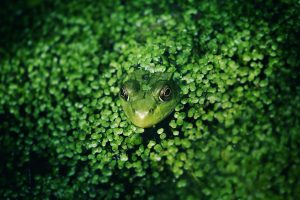
Nature is a masterful artist, painting the world with colors, patterns, and creatures that often defy detection. One of its most intriguing works is the phenomenon of animal camouflage. From the fluttering leaf-tailed gecko to the elusive snowshoe hare, animals have evolved remarkable tactics to blend in seamlessly with their environments. In this article, we embark on a journey to unveil the secrets of these remarkable creatures and gain a deeper understanding of their camouflage techniques.
Animal Camouflage: Nature’s Masters of Disguise
The world of animal camouflage is as diverse as it is captivating. Let’s explore the ingenious strategies employed by various species to ensure their survival:
Blending In Through Mimicry
Mimicry is a well-known technique in which an animal imitates its surroundings or another organism to avoid detection. An exquisite example is the stick insect, which mimics twigs and branches so convincingly that even the keenest eyes might overlook them.
Cryptic Coloration: The Art of Concealment
Cryptic coloration involves animals adopting hues and patterns that match their habitat. Consider the peppered moth, whose wing coloration seamlessly matches the bark of trees, providing a remarkable disguise from predators.
Disruptive Coloration: Breaking the Outline
Disruptive coloration relies on bold patterns and high-contrast markings that break up an animal’s outline, making it difficult for predators to recognize them. The zebra’s iconic stripes, for instance, create an optical illusion that confuses and deters predators.
Background Matching: Nature’s Chameleons
Chameleons are renowned for their ability to change color, adapting to their surroundings with astounding precision. Their skin contains specialized cells called chromatophores that expand or contract to create different colors, allowing them to become nearly invisible.
Countershading: Playing with Light and Shadow
Many aquatic animals employ countershading, a technique that involves having darker coloration on their upper side and lighter coloration on their lower side. This helps them blend with both the ocean’s surface when viewed from below and the darker depths when viewed from above.
Mimicking Textures: The Leaf-Tailed Geckos
Leaf-tailed geckos, found in the rainforests, take camouflage to the next level by mimicking the textures of leaves. Their skin resembles the veined patterns of leaves, allowing them to seamlessly perch on branches and remain hidden from predators.
Adaptive Camouflage: The Cuttlefish’s Stealth Mode
Cuttlefish possess remarkable adaptive camouflage abilities. They can change not only their color but also their skin texture to mimic a variety of underwater environments, making them virtually invisible to both prey and predators.
Urban Camouflage: Nature in the Concrete Jungle
As urban areas expand, some animals have evolved to blend into man-made structures. Pigeons with lighter plumage are more common in cities, as their coloration helps them stay inconspicuous against the backdrop of concrete and steel.
Camouflage in the Arctic: The Snowshoe Hare’s Transformation
The snowshoe hare is a master of disguise in the harsh Arctic environment. Its fur changes color from brown in the summer to white in the winter, allowing it to remain hidden from predators and seamlessly adapt to the changing seasons.
FAQs
Q: How does animal camouflage work?
A: Animal camouflage works by allowing creatures to blend into their surroundings, making it difficult for predators to spot them.
Q: Why do animals use camouflage?
A: Animals use camouflage to avoid predators and increase their chances of survival by remaining unnoticed.
Q: Which animal can change both color and texture?
A: The cuttlefish possesses the unique ability to change both its color and skin texture for adaptive camouflage.
Q: How do chameleons change color?
A: Chameleons change color through specialized skin cells called chromatophores, which expand or contract to create different colors.
Q: What is disruptive coloration?
A: Disruptive coloration involves bold patterns that break up an animal’s outline, making it hard for predators to recognize them.
Q: Can urban animals also use camouflage?
A: Yes, urban animals like pigeons have adapted their coloration to blend into man-made structures in cities.
Conclusion
The world of animal camouflage is a testament to the marvels of evolution and the ingenuity of nature. From the depths of the ocean to the heart of bustling cities, creatures have mastered the art of disguise for survival. As we delve deeper into the intricacies of animal camouflage, we come to appreciate the intricate balance between predator and prey, and the beauty of adaptation in the face of adversity.
So, the next time you spot a seemingly inconspicuous creature, take a moment to marvel at nature’s cunning and creativity, for within its disguise lies a tale of survival and triumph.